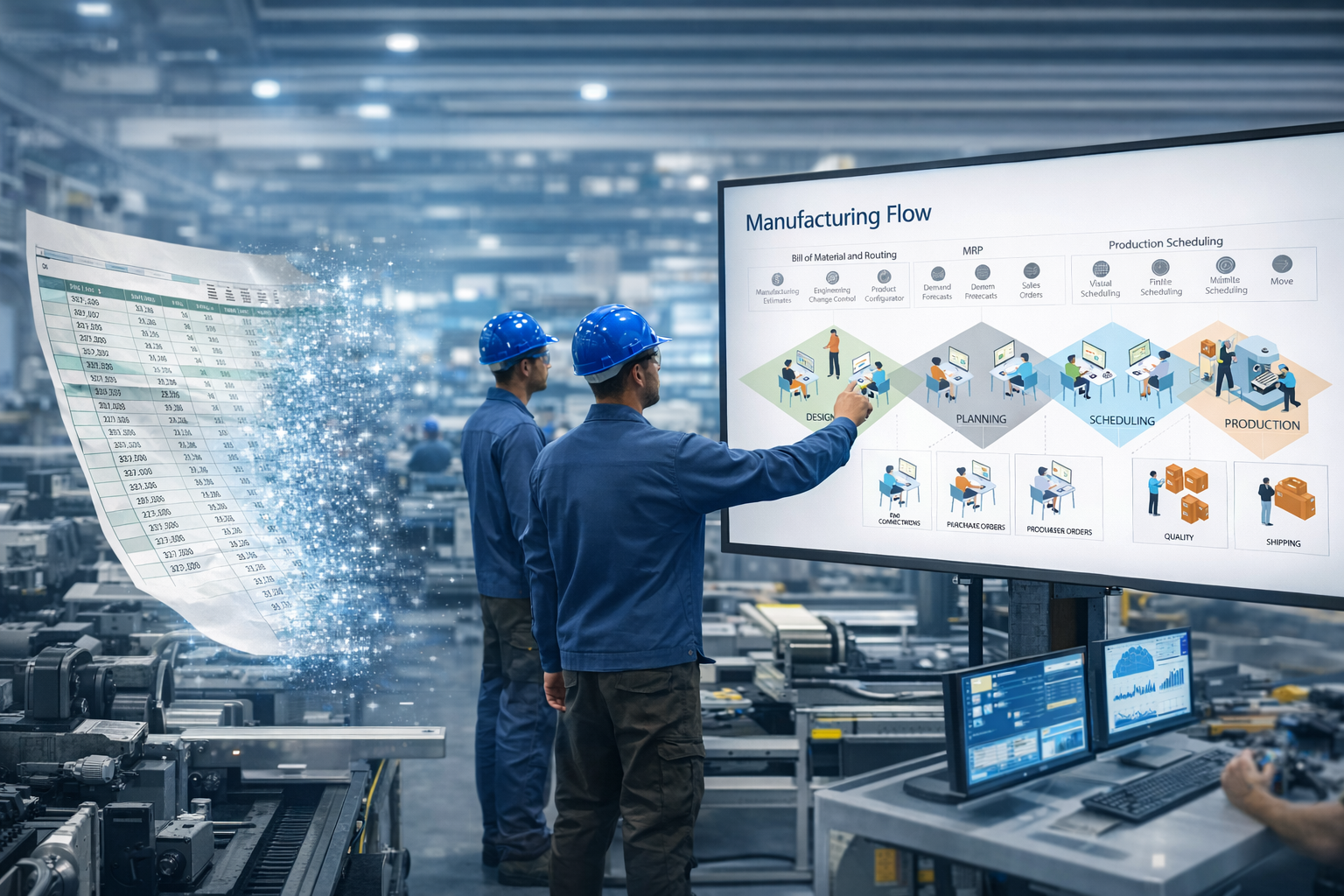
Roadmap to a Factory of the Future: 5 Steps for Manufacturing Accounting Software
Small and mid-sized manufacturers in Western Canada face growing competitive pressure to modernize. Between aging legacy systems, manual data entry, and disconnected processes, many operations leaders are looking for a structured way to build a factory of the future. Yet, the risks of disruption and cost overruns are real. That’s why a phased, practical approach to digital transformation is critical-one that prioritizes operational visibility, process efficiency, and measurable ROI.
The Real Problem: Disconnected Systems and Inefficiency
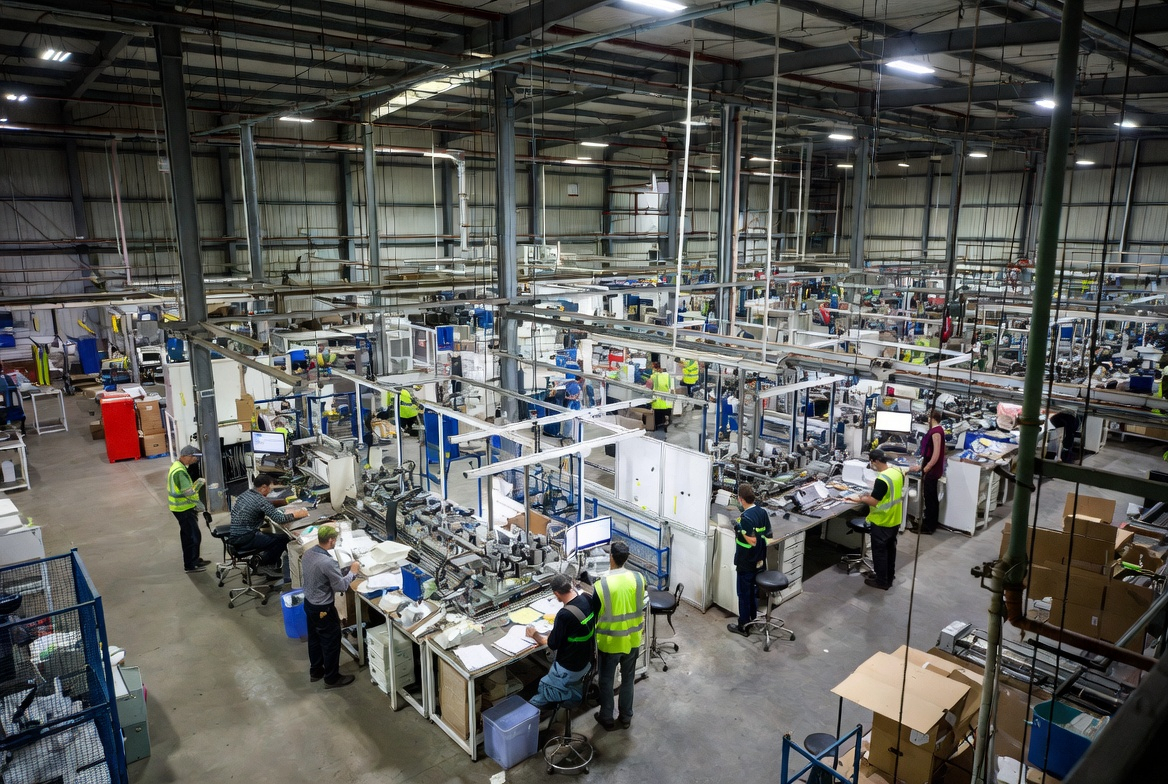
Manufacturers and construction firms often rely on a patchwork of spreadsheets, paper-based workflows, and siloed legacy software. These disconnected systems create data inconsistencies and make it difficult to track inventory, production status, or costs in real time. The result is limited visibility, frequent errors, and lost productivity. When finance and operations are out of sync, accurate manufacturing accounting software becomes nearly impossible to maintain, leading to wasted time investigating discrepancies or reconciling reports.
Step 1: Data Cleanup as the Foundation
All digital transformation efforts depend on reliable data. Before considering automation or analytics, start by consolidating and cleaning existing information. This means migrating legacy spreadsheets and scattered records into a centralized Acumatica ERP database. Standardizing naming conventions, removing duplicates, and validating inventory counts are critical first steps. Clean data lays the groundwork for every future improvement-without it, process automation will only accelerate errors.
Step 2: Process Standardization Before Automation
Automating inconsistent processes amplifies inefficiency. Instead, map out current workflows such as order processing, procurement, or production scheduling. Document standard operating procedures and get buy-in from teams. For example, formalize how purchase orders are created, approved, and received. With consistent processes in place, you’re ready to automate with confidence using tools like Acumatica’s workflow engine.
Step 3: Automate to Reduce Manual Work and Errors
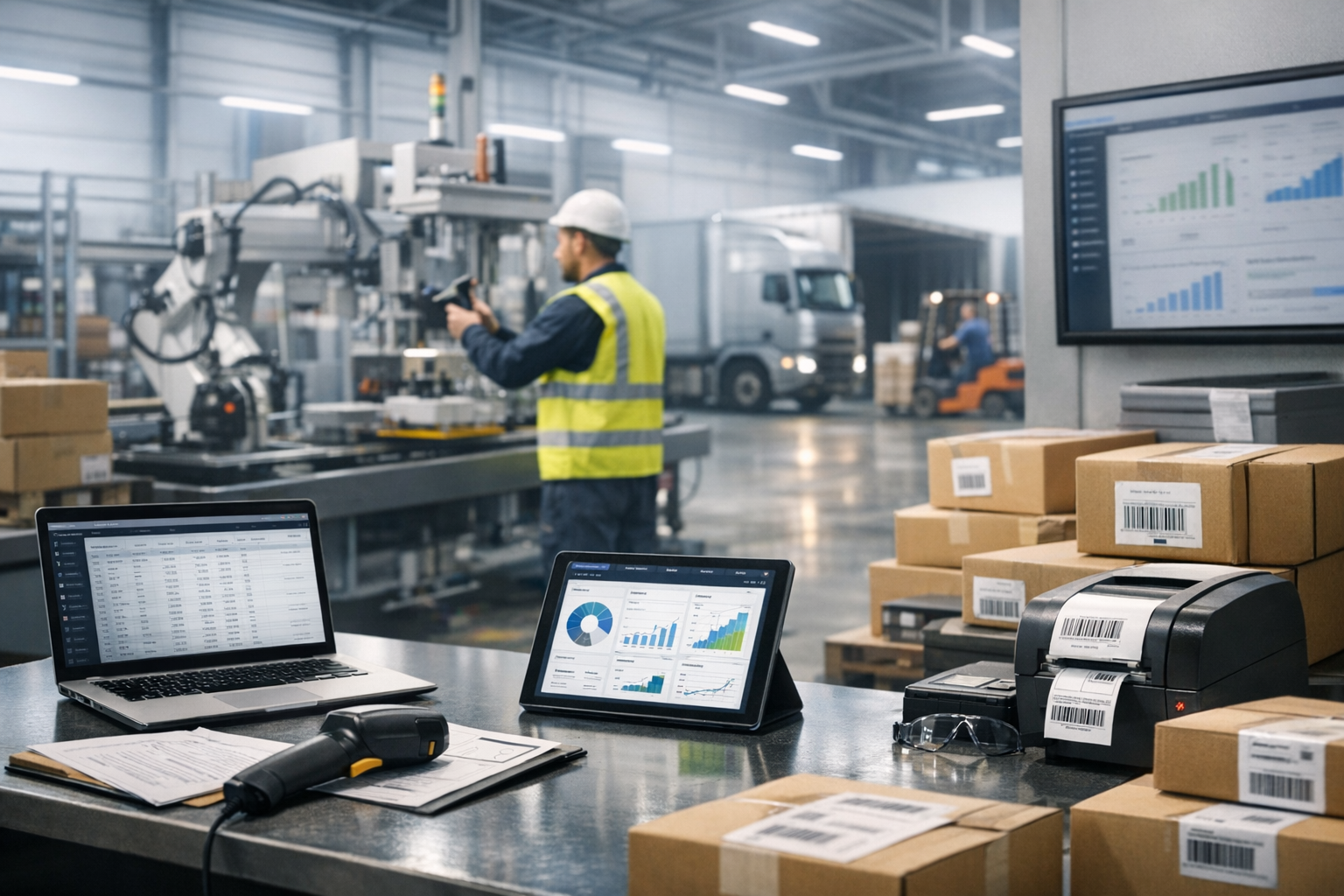
Once processes are standardized, targeted automation can deliver immediate value. Examples include implementing barcode scanning for inventory management, setting up automated purchase approval workflows, or integrating shop floor data collection with your ERP. Automation not only reduces manual errors but also frees up staff to focus on higher-value work. Acumatica’s cloud ERP platform supports these automations natively, enabling real-time updates across departments.
Step 4: Leverage Manufacturing Analytics
Modern manufacturing accounting software should do more than record transactions-it should help leaders make informed decisions. With clean data and automated processes, dashboards can be set up to monitor production KPIs, track order cycle times, and analyze cost drivers. For example, use Acumatica’s analytics to spot bottlenecks in fulfillment or identify trends in material usage. This data-driven approach supports proactive management and more accurate forecasting.
Step 5: Build a Culture of Continuous Improvement
Digital transformation is not a one-time project. Schedule regular reviews of process data to identify improvement areas, such as quarterly operational audits. Involve cross-functional teams in reviewing dashboards and soliciting feedback. Use the insights to refine workflows, update training, or invest in further automation. Continuous improvement ensures that modernization efforts remain aligned with business priorities and deliver sustained ROI for manufacturers.
The Role of ERP Implementation Partners
Choosing the right technology is only part of the journey. Successful modernization depends on working with an implementation partner that understands the operational realities of manufacturing and distribution. Aqurus Solutions specializes in guiding small and mid-sized manufacturers through each phase of this roadmap. With expertise in Acumatica ERP, warehousing, logistics, and shop floor automation, Aqurus helps organizations reduce risk, accelerate ROI, and build a resilient digital foundation.
Main Takeaway: A Phased Approach Drives Sustainable Modernization
Transforming into a factory of the future is achievable for small and mid-sized manufacturers when modernization is broken into phases. By focusing on data cleanup, process standardization, automation, analytics, and continuous improvement-and partnering with experts like Aqurus Solutions-organizations can unlock operational efficiency and measurable business results with manufacturing accounting software.
If you like this blog, you may want to check out these:

 Murray Quibell
 Murray Quibell : May 5, 2026 10:08:39 AM